Oolong captures the best of the tea world: complex flavors, yet simple to brew and enjoy.
What is oolong tea? People ask that question a lot at the tea shop. The simple answer is that oolong (or wulong) tea sits between green and black on the tea continuum. Yet, that only begins to describe the culture and lore surrounding oolong tea. We share some basics to ease you into the labyrinth of this famous tea type.
Oolong Tea and Oxidation
Tea gets classified by its degree of oxidation. Green tea is non-oxidized, whereas black tea is fully oxidized. An oolong can be lightly (~20%) to more fully (~80%) oxidized, making it the most diverse category of tea. Think of bananas: a yellow banana with no brown spots would be a green tea, and fully brown banana would be a black tea. In this example, various degrees of that brown banana would represent oolong.
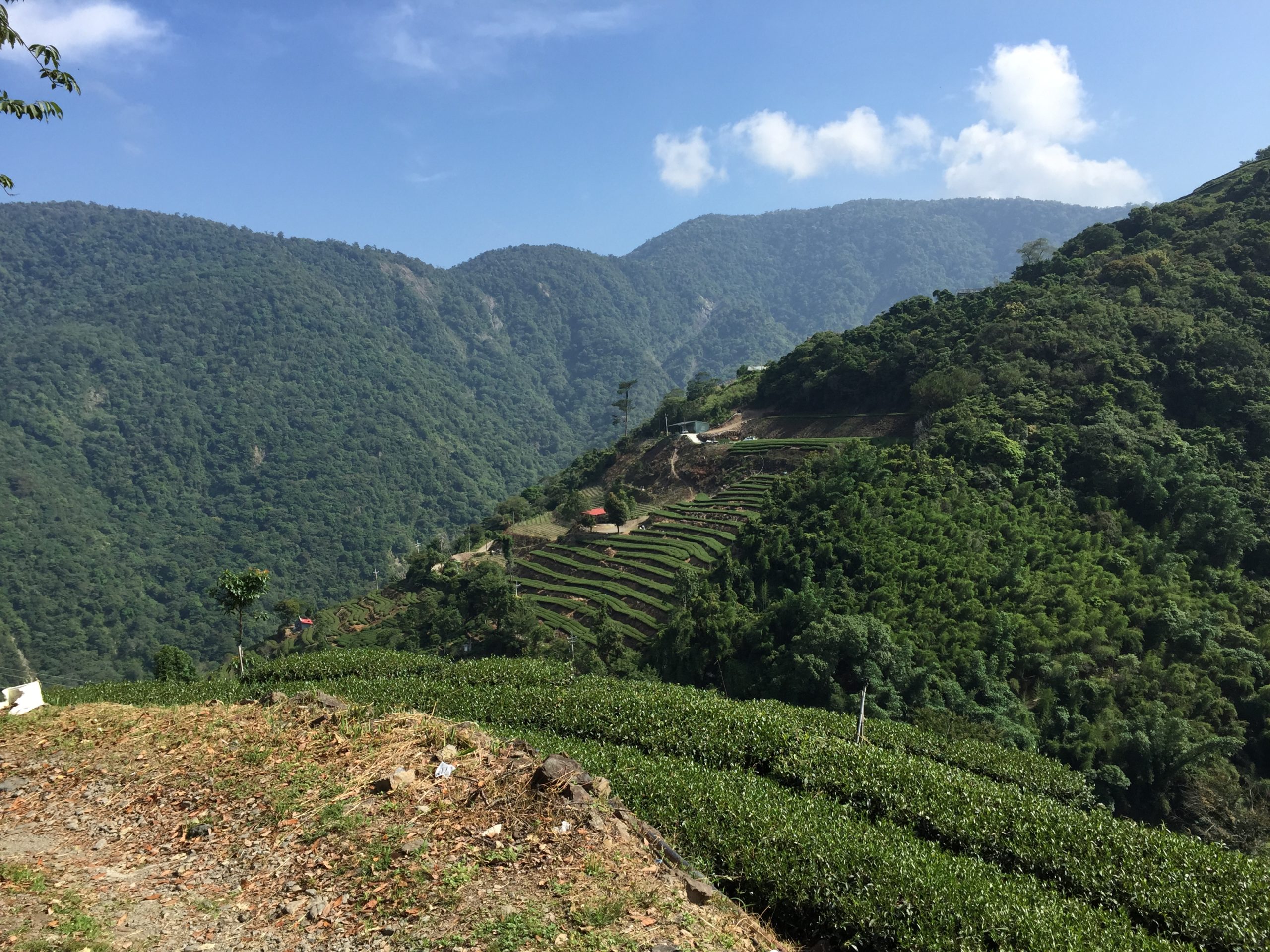
In addition to their semi-oxidized classification, oolongs grow at in wide range of elevations. Those grown at higher altitudes tend to have delicate and floral qualities, such as our High Mountain Oolong. Grown high in the mountains of the Nantou region of Taiwan, this tea exemplifies world-class, nuanced oolong. Farmers can also use special tea plant cultivars to produce specific oolong varieties.
Processing Methods
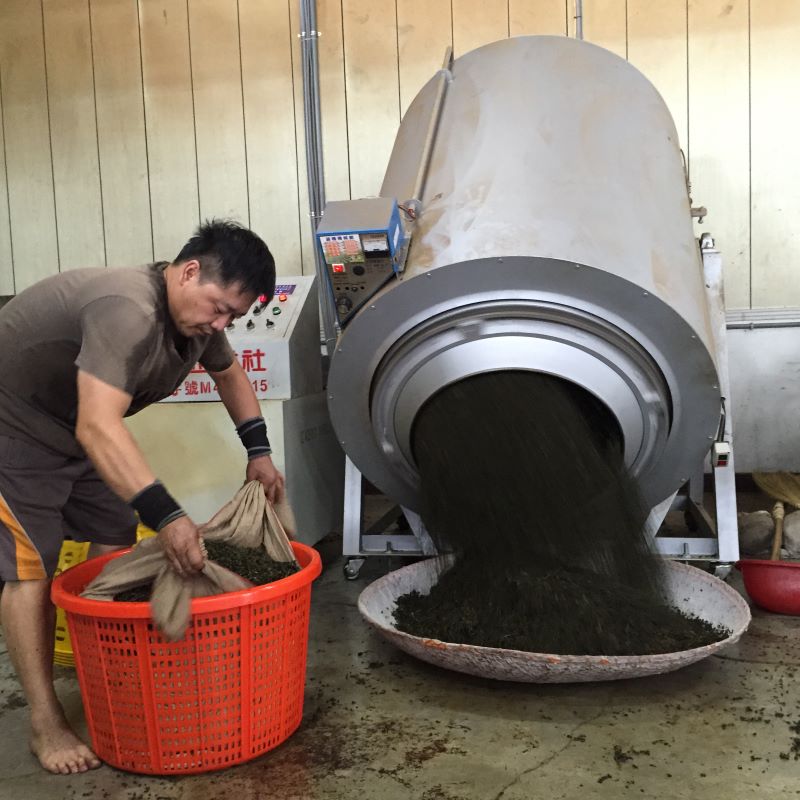
People also categorize oolongs by the unique processing steps they undergo. These steps include a series of unique systems to wither, roll, or twist the tea. Each farm and processing facility has a “tea master” in charge of production. These masters designate the methods needed to create particular tasting notes and aromas. Tea masters teach their techniques and oversee quality control. Each tea master brings a unique creative signature to the process. This further contributes to the wide range of oolong flavor nuances.
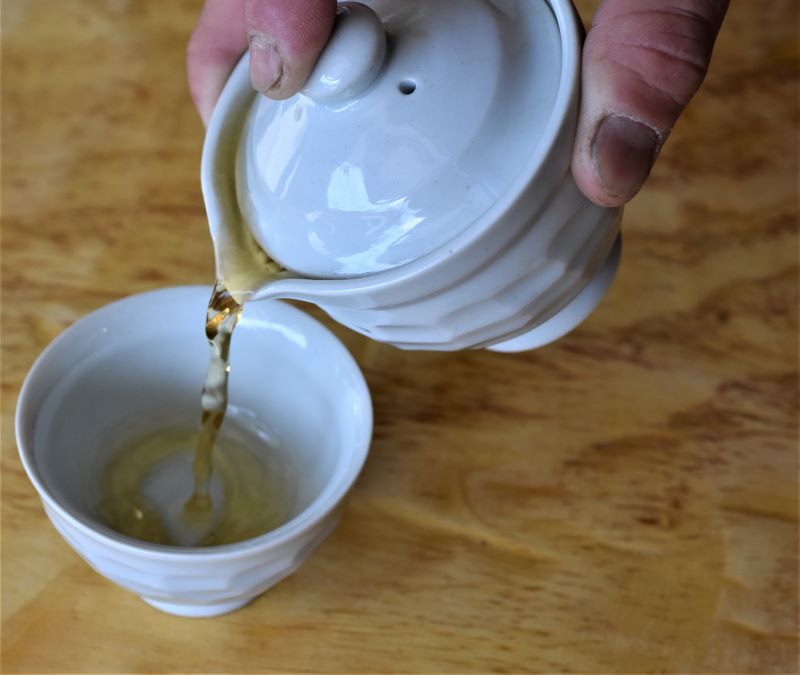
Oolongs typically come in two styles: either rolled into long, twisted shapes (the more traditional style), or “wrap-rolled” into small balls. Both forms produce tea that can be steeped multiple times. With each steep, the leaves unfurl further, and the drinker experiences changing flavors. This especially suits oolongs to Gong Fu, the traditional Chinese tea brewing style, and for tea tasting!
Oolong Tasting Notes
All these differences in oxidation, horticulture, and processing (also referred to as terroir) create a world of tea unto itself. Different oolongs offer a wide variety of flavors and aromas, each as distinct as the next. Oolongs flavor profile can include anything from floral and sweet, to woody and roasted, to light, fresh, and complex. Thus, if you’ve tasted one oolong tea, the next one may taste completely different!
If you want a rich and woody tea with stone fruit notes, try our Lake Missoula Black Pearl Oolong. This higher-oxidized oolong can be steeped almost indefinitely, and never develop bitterness or astringency. It also has high levels of caffeine, similar to a black tea. If you want a lighter, less-oxidized oolong, then nothing compares to our High Mountain Oolong, which is both buttery and floral. Finally, for something more middle-of-the-road, try the Eastern Beauty with its complex fruity notes, or the sweetly savory Roasted Tie Guan Yin.
Ready to dive in? Just remember: as complex and perplexing as oolong may seem, it only takes a sip to realize the true simplicity of great tea.
Category: Farm to Cup