Long ago, trade routes ran between China and other Asian cultures called the ancient tea horse trade route. This network of caravan trails and roads spread across Tibet and southwestern China, mostly in the Yunnan and Sichuan provinces. In fact, sections of these ancient trails persist today.
The main commodities traded along the ancient tea horse trade route were Tibetan horses and Chinese puerh tea. First, the people of Tibet needed the tea for certain nutrients missing from their regular diets. Then China’s growing army needed the Tibetan horses to continue their military campaigns. Puerh tea developed almost exclusively for transportation to faraway destinations. Hence, the puerh often arrived in bricks of compressed tea leaves.
Processing and Brewing Puerh
Among the different methods of making puerh tea, we primarily talk about two categories: “sheng” (fermented over a long period) and “shou” (fermented quickly). They also go through a pan-firing and drying process. After fermentation, tea makers either compress puerh, or leave it in loose leaf form. The most common shapes of compressed puerh are bingcha (disc-shaped), tuocha (like small bird nests), or zhuancha (bricks).
All puerh grows in Yunnan, and gets its name from a region of that province. Similarly fermented teas from other areas—for example, Hunnan Province— are called dark teas. While they come in many shapes and sizes, a traditional standard was 100 taels (Chinese measurement), or slightly over 8 pounds. This tea “log” made for easiest transport along the ancient tea horse trade route. Then sellers would slice up the log and sell it as cakes. Some buyers stored and aged the tea for improved flavor.
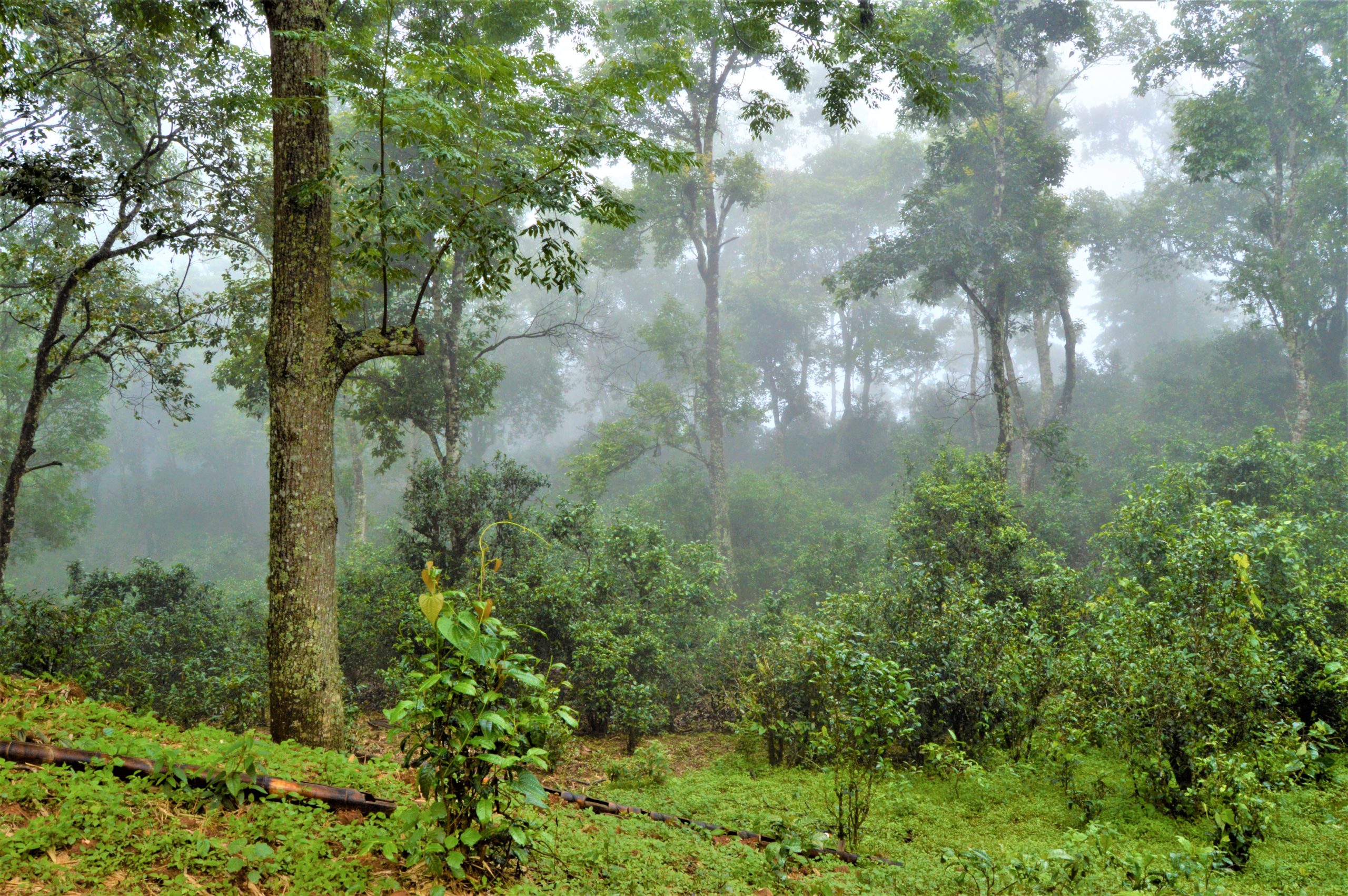
The most sought-after puerh comes from wild tea trees. The unique makeup of the wild tea trees gives the tea a deeper and more complex flavor, often with camphor notes from the trees that grow in the region. Puerh brews easily, without bitterness, no matter your steeping method. Many tea aficionados gong fu style—short, numerous steeps with a high ratio of tea to water—for enjoying how the taste evolves with each steep.
Written by Uriah Kreilick and Gunilla Printz
Category: History of Tea