
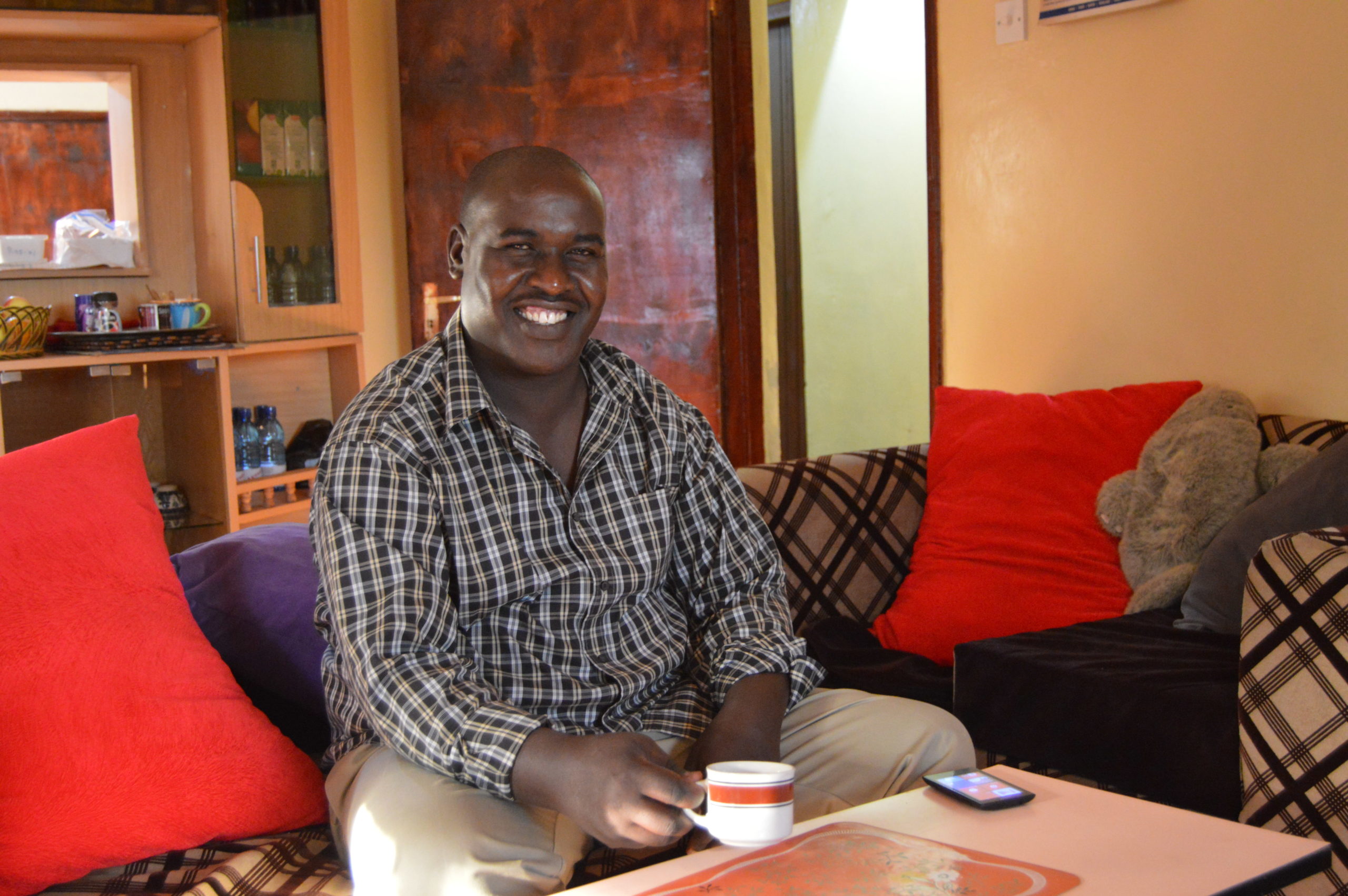

I write with profoundly sad news about our Kenyan tea farmer, David Bor, of Kapsimotwa Gardens. David died of COVID-19 in May following a short hospitalization. He leaves behind his wife, Bernadine, and two daughters. His death hit us hard, as David was in the prime of his life. For us, it underscores the human toll of the COVID-19 pandemic worldwide.
David and Bernadine built a solid tea business, growing and processing purple and black tea varieties. Both are well respected in the Nandi Hills region. David was a gentle, soft-spoken person, who reached out to us after he found we were selling purple tea. His enthusiasm for purple tea further aroused our curiosity in it, and his sincerity made us want to work with him.
The Growth of Purple Tea
The Kenyan Tea Research Institute developed the purple tea hybrid to combat climate change, as tea farmers were some of the first to recognize its impacts. David was one of the first tea farmers in his region to grow purple tea. He planted about 15 hectares of it in 2014. In September 2016, we traveled to the Western Highlands of Kenya to visit David’s tea farm in the Nandi Hills.
The best tea grows at higher elevations, and the Western Highlands sits roughly 1,000 meters above sea level. David and Bernadine’s farm sits atop the Highlands on the Equator. Compared to eastern Kenya, it is green and full of life. The once-expansive lowland equatorial forest that stretched from Mombasa to Lake Victoria is mostly gone. Agriculture now replaces the region: grasslands for grazing animals, and woodlots of non-native trees. Kenya is now the third largest exporter of tea in the world.
David planted his purple tea plants on degraded grazing land, where they thrived. Purple tea is more resilient than Camellia sinensis in the face of drought, frost, acidic soil, and pests. As Kenya’s climate changes, tea farmers are growing purple tea plants to mitigate its impacts. Aside from its environmental qualities, purple tea possesses high concentrations of antioxidants, anthocyanins (anti-carcinogens), and anti-aging properties, making it one of the healthiest true teas you can drink. It contains less caffeine than black tea, with purple leaves and a purple liquor.
A Farmer’s Life in Kenya
David was a pillar in his community and family. His initiative and commitment to educate others about the virtues of purple tea encouraged more Western Highland farmers to grow it. He gave purple tea plants to the pickers who worked for him, and sold seedlings to other tea farmers. David also served as the tea extension agent, providing training on the agricultural aspects and financial impacts of growing purple tea.
Ultimately, we are forever grateful to David for showing us what a sustainable tea farm looks like, as a Kenyan farmer. Kapsimotwa Gardens is an artisan, small-scale operation, focused on paying their pickers when the tea is plucked, manufacturing their own organic loose leaf teas, selling directly to buyers like us, and bypassing the tea brokers in Mombasa.
David’s business approach was forward thinking. He saw the climate changing, and knew that traditional tea plants would struggle in a drier climate, so he diversified his tea offerings. He also sold directly to the buyer, bringing higher prices to the farmer. Then the buyer gets higher quality tea, from a smaller-scale, organic farm.
Carrying Memories
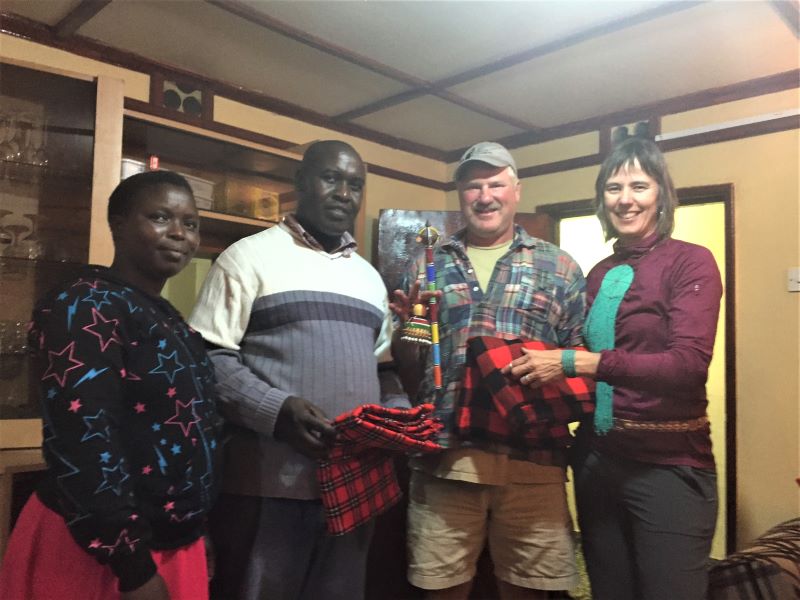
We left Kenya impressed with David’s tea farm and his family. We experienced Kenya as few Westerners do, as David and Bernadine literally opened their house to us. They hosted us like family, and let us sleep in their bedroom. One day, we all drove down to Kisumu to see Lake Victoria, and then to visit Kakamega Forest Reserve. This visit to some of Kenya’s most beautiful sights meant an exercise in bridging cultures with tea.
As we continue to pursue our mission, sourcing the best teas from sustainable sources, we hope to continue supporting Kapsimotwa Gardens as the family works through this transition. We continue to carry Hand Rolled Purple tea, which we also blend into our Rift Valley Currant. May David’s work as both a Kenyan tea farmer and ambassador live on.
Written by Jake Kreilick
Category: International Tea Partners

I am so sorry to read this, Jake and Heather! What a heartbreaking loss for you, his family, and community. Sending love and a bear hug from Red Lodge.
Hi Lexy,
Yes, it’s so sad, especially for his wife and girls, LMTC