Brewing loose leaf tea is very simple! These tips will help you get the most out of your tea cup.
Water, Temperature, Time, & Storage
Water The Chinese say, “Water is the mother of tea.” Good water can elevate the taste of bad tea, and poor water can diminish good tea flavor. Depending on your location, filtered water is typically best.
Temperature & Time Brew black, dark, and most oolongs at just under a boil (200°F to 212°F). Tea should never taste bitter or harsh. If it does, try cooler water or a shorter steep. A thermometer can help, but it’s not necessary.
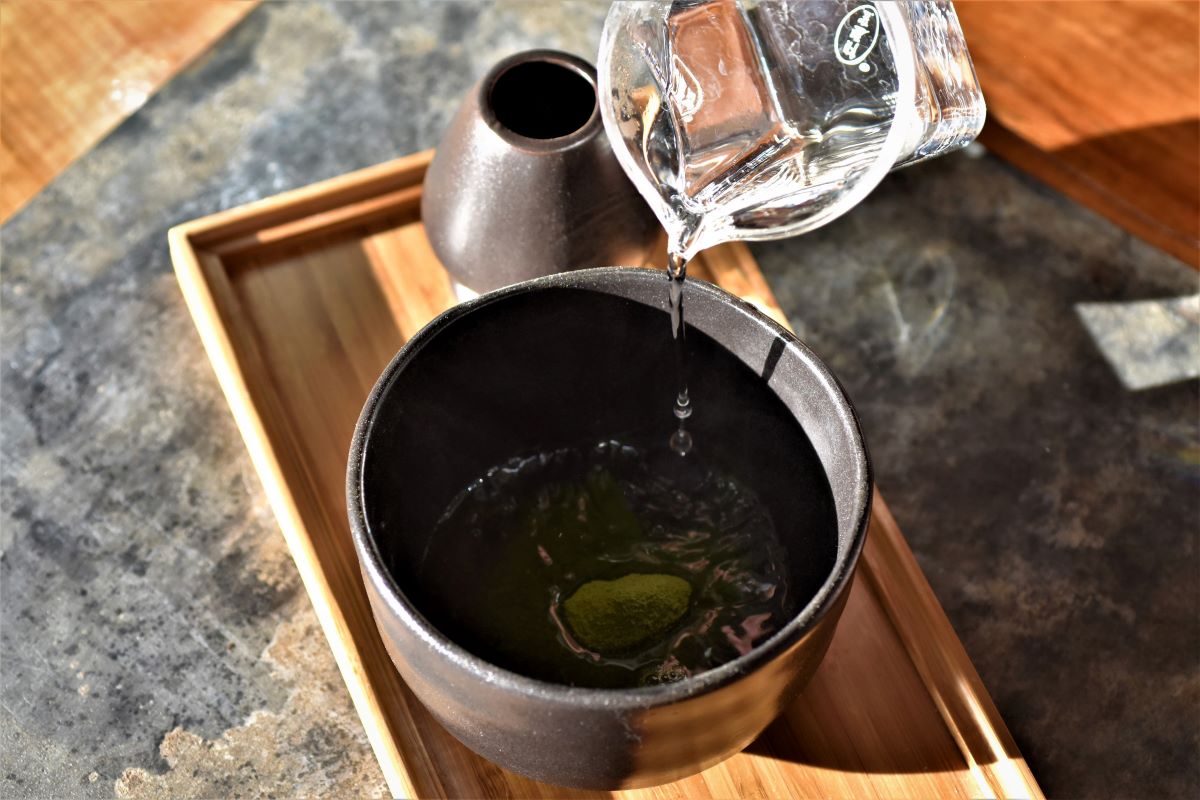
Try brewing loose leaf green and white tea (~170°F) when your kettle starts to rumble, but before the sound deepens. You can also let boiled water sit for a few minutes, or add a little cold water. If you experiment and then note how your tea responds, you’ll find your method.
Most botanicals (or herbal teas) prefer boiling (212°F) water. The flavor intensifies with time, so steeping time can vary depending on your preference. Some botanicals improve the longer they steep. Follow your taste buds.
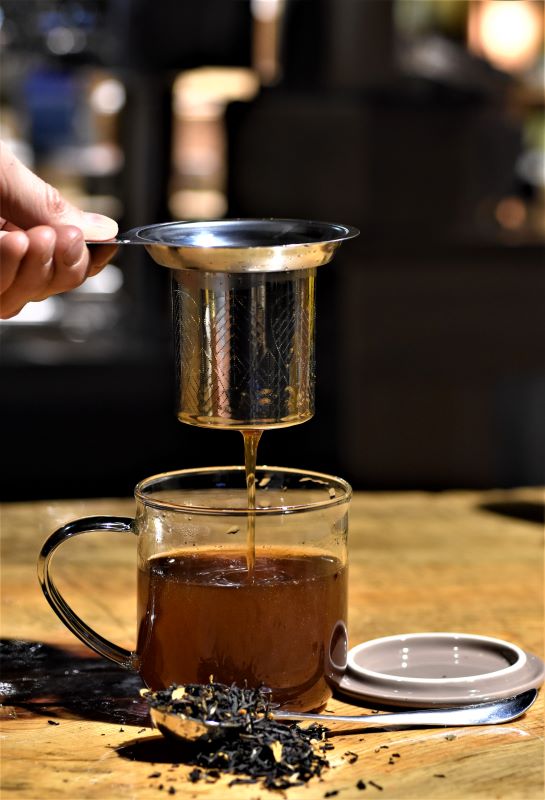
Steeping Device Loose leaf tea will expand while brewing. Use a vessel with plenty of space, you’ll get a better flavor. Try brewing more than once: many teas are good for two or more steeps, especially large-leaf teas.
Storage Light and air degrade tea quality. Press the air out of your storage bag, your tea will stay fresh longer.
Tea Basics
All proper tea comes from the same plant, Camellia sinensis. Variation in flavor develops with a) the climate and soil of different growing regions and b) how the tea is processed: black, oolong, green, white, and Puerh teas. The concept around the flavor of tea and why it varies is called terroir.
Caffeine All tea has caffeine, although the less-oxidized teas (green, white), which steep up best at a cooler temperature, will have less. Most caffeine infuses in the first 30 seconds of brewing loose leaf tea. If you want to reduce your caffeine intake, you can pour off a first, short steep and then brew again as usual.
Single-origin A single tea from just one tea farm is referred to as a single origin tea and offers its own unique flavor. A few of our tea blends, like our breakfast teas, combine single-origin teas. Other blends add botanicals, spices, fruit, and natural flavoring to evoke different exciting flavors.
Rooibos Red tea, or Rooibos, and its cousin Honeybush, grow exclusively in a region of South Africa. Both steep up full-bodied and deliver high levels of antioxidants, but without the caffeine. Many of our favorite herbal blends use these as a base.
Botanicals The rest of the tea world—botanicals (herbal and caffeine-free)—is vast and complex: anything you can pour hot water on! Many flowers and herbs have their own long history and lore, which means there’s always another tea you haven’t tried yet.
Once you start brewing loose leaf tea, you’ll taste the difference, and you’ll never go back!
Written by Nathan Bendickson
Category: How to Make Tea