

Six weeks removed from Lake Missoula Tea Co.’s Kenya trip, we got a surprise when Missoulian reporter Rob Chaney called to say three gentleman from the Kenya Tea Development Agency (KTDA) and Strathmore University’s Energy Research Centre were in town. Alfred Njagi, General Manager-Operations for the KTDA, explained to us that their visit was to look at wood utilization in Montana to help the Kenya tea industry improve wood practices and energy conservation in terms of tea production.
Most Kenyan tea factories use wood to fuel the dryers that process tea, because it is significantly cheaper than oil or electricity. Consequently, they’re interested in good wood practices that will help guide small tea farmers, who comprise 60% of the industry (600,000 farmers). 70% of these farmers own 1/2 acre or less. Alfred’s job is to help these farmers develop agro-forestry practices that increase energy efficiency and forest conservation in tea production.
Many large tea estates have purchased land for woodlots. This is due to the fact that there is a 1 to 1 relationship between wood utilization and tea production. On a positive note, there is a wood certification system for the large tea estates that requires these factories to use exotic wood, primarily eucalypts and pine.
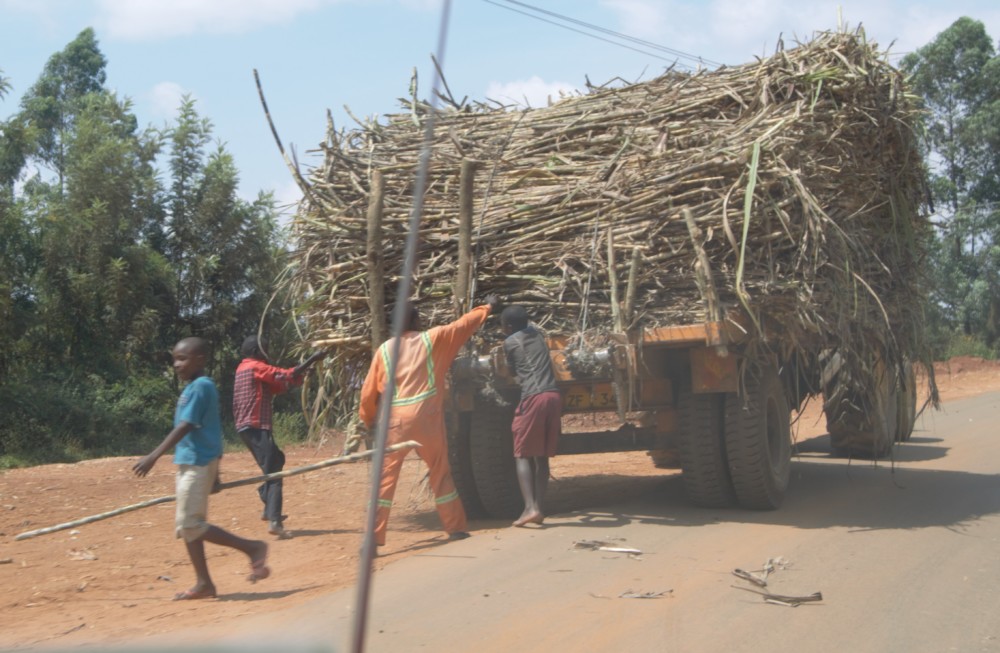
Geoffrey Ronoh, manager of Strathmore University Energy Research Centre, is developing a bio-energy program designed to diversify the options for smaller tea producers. This would include agricultural waste like bagasse, fiber left from sugar cane production, bamboo, sawdust, etc.
This is good news for Kenya’s native forests, which currently comprise only 2% of the country.
Missoulian article: Kenyan tea growers look to Montana wood burners for innovation


Category: Uncategorized
I have idea that I think can save fire wood by half if not more
Great blogs