


In Kenya, 60% of the tea comes from small-scale tea farmers (2 acres or less). David capitalizes on this by using a different industry model for purple tea. He gives tea plants to his pickers to grow at home, and is also selling seedlings to other farmers in Nandi Hills. He trains others through workshops focused on purple tea’s environmental resistance, health benefits and higher quality.
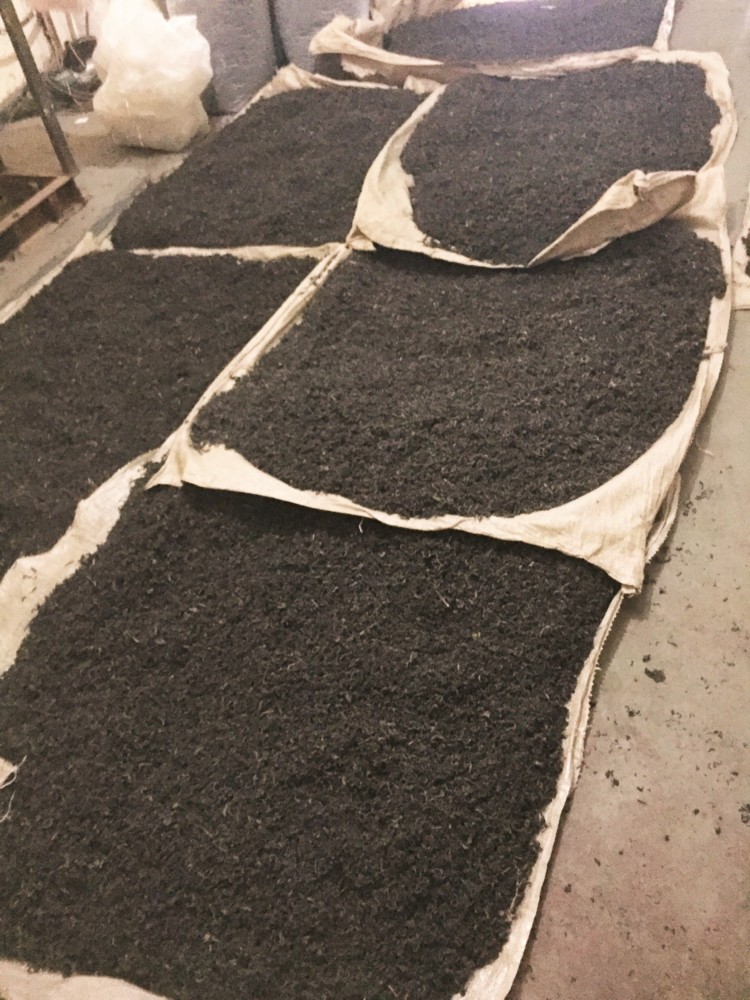
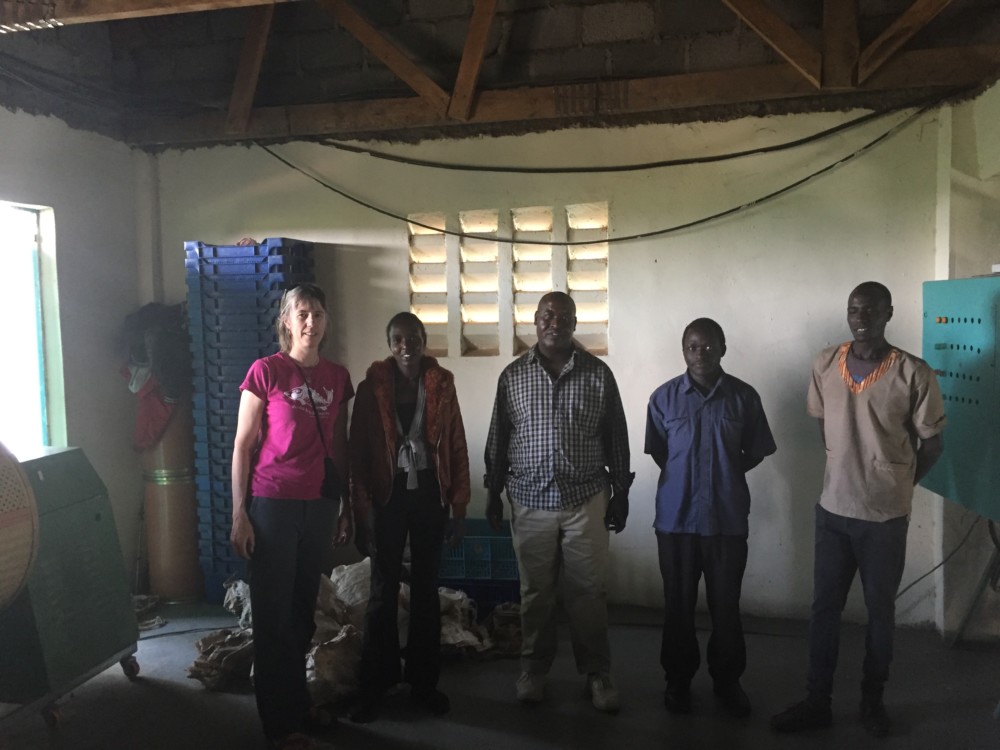
A recent hail storm was an eye opener for small scale purple tea farmers. The hail ravaged the green tea plants, and even though the purple tea leaves were damaged, their regrowth rate was astounding. He plans to open his own tea factory, whereby the smaller scale purple tea farmers will get paid when the tea is delivered, eliminating the undue stress of how to pay their pickers. David will market the purple tea directly to the buyer, bringing in a higher price than the black CTC exported through Mombassa. In the long run, this model gives the farmer more control with a higher return.
Purple tea with small scale farmers is good for two more reasons – small scale ensures higher quality of tea because folks hand pick it with an investment in the return. And they can charge more for purple tea because of purple tea’s medicinal properties. Purple tea touts extraordinary amounts of antioxidants due to high amounts of anthocyanin, or purple pigment. Purple tea has anti-carcinogenic, anti-aging, and appetite suppressant properties. David says it prevents cancer, and both leaf and liquor are purple.
We are proud to market purple tea and help expand the small scale tea model. We know the pickers are getting a decent wage, the tea is organic, the plants are conducive to the environment, and the tea enhances your health and longevity.
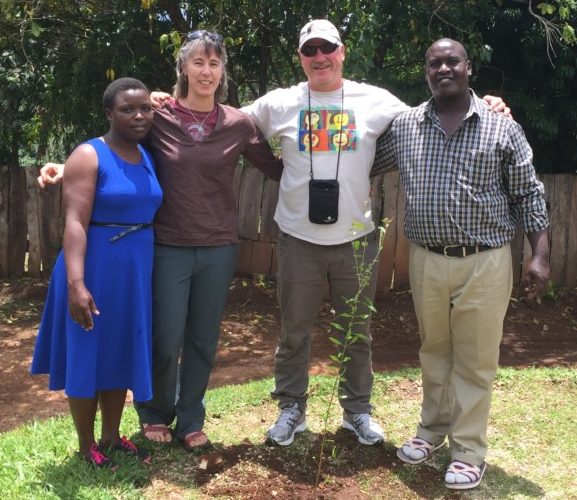
The last night at the purple tea farm, David and Bernadine butchered and barbecued a goat. This is a high honor, as cooking a goat is generally reserved for special ceremonies (like when boys are circumcised) or on holidays. The morning we left, David and Jake planted a rainforest tree (sorgut), and Bernadine and I planted another, both in their yard. Bernadine said the trees would grow fast and be big when we return. We are honored to be part of this purple tea model and work with such fine people.
Category: Uncategorized
This purple tea seems to be so great! I hope it goes well for you here! Looking forward to trying it!
Lori @ Big Sky / Urban Herbs
That sounds like an amazing and uplifting experience heather and Jake. Your blog is a well-written and informative read. I look forward to trying the Purple tes!